Do I have to say that all medical advice/commentary on this blog should be considered educational only, and is to be used at your own risk? You're more mature than to randomly believe some blogger you've never seen and then to turn around and sue her when you turn yourself blue, right?
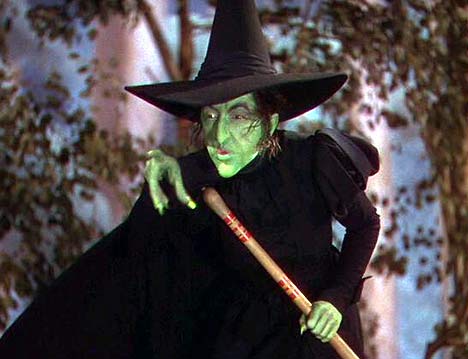
1. Plants aren't magic, they are just plants.
2. Using herbs isn't inherently any safer than using "conventional" drugs. Herbs are drugs.
3. Using herbs isn't any more virtuous than using conventional drugs. Herbs are drugs.
4. Since herbs are drugs, it behooves anyone who wants to use them to learn a lot about them BEFORE they begin using them. This means that you do not wander into the healthfood store armed with only something you read on the internet (on a page with little spinning .gif crystal pictures) that says that some obscure Chinese herb will probably be good for your diabetes, so you quit with the insulin and now want something you can't pronounce, which you will take home and put under your pillow. No no no. Herbs are not magic, remember?
5. Once you do decide to use herbs, be aware that they are less pure than conventional drugs most of the time, and therefore that effects may be 1) less predictable or 2) less instantaneous, but that they can also be 3) just as potent. So don't mess around, or take twice as much as the recommended dose, or take something internally meant to be used as a salve--remember the guy who turned blue, ok?
6. Using herbs does not preclude using conventional drugs and using conventional drugs does not preclude using herbs, but before you use them both together BE SURE YOU UNDERSTAND THE ACTION OF EACH. Otherwise you might end up taking Coumadin and St. John's Wort at the same time, and bleeding to death when you smash your thumb. I joke not at all.
7. If you are pregnant or breastfeeding, get this book and pay attention to it. Do NOT use herbs that are safe for people who are not pregnant or breastfeeding. Do NOT go pick something random in your backyard. Do NOT use compounds that contain more than one herb that you did not mix yourself from single herbs you bought from a reputable source. Do NOT use any of the cohoshes. Do NOT just search the internet and use something that someone said sort of worked for them one time. Are we clear about how conservative I want you to be?
8. If you decide to use herbs, don't lie about it to your doctor. When he asks what medications you are taking, tell him. If he scolds you or thinks you're crazy or forbids it, well, then go find another doctor who can disagree with you without treating you like a child.
So, with those concepts and cautions in mind, shall I tell you about how to become more independent with your health?
First of all, I think you should be more independent with your health because 1) I think it's good for everyone to be independent about their health, because it's theirs, not their doctor's and 2) with the advent of a very poorly concieved national healthcare system, I think people will have even less access to doctors and hospitals than we are used to in America.
There are already (and I have been one) many people who can't afford to go to the doctor for anything except an illness they think might kill them. This means that a lot of high blood pressure, dental problems, arthritis, lung, sinus, and bladder infections, and so on, don't get treated. While I am never going to discourage people from consulting a physician (because they really are pretty smart sometimes), I think it's silly for someone with a UTI who can't afford an antibiotic/MD visit to simmer in misery for three weeks because they don't know how to go about treating it at home. (Answer: lots of fluids, cranberry juice, and uva-ursi, but go look it up yourself.) And since you think better when you are not feverish or in pain, I think it makes sense to learn about herbs while you feel reasonably good instead of flipping through a book or internet search while you are trying to pass a kidney stone.
I also dislike being entirely dependent on an expensive, monopolistic system for something as important and personal as my health. Although I know how to speak the language of the system, and so get treated with more respect than a lot of patients, I also dislike dealing with a system that still, more often than not, treats me like a naughty, slightly retarded child rather than an intelligent, educated adult who might know something about her health that the practitioner does not.
This is getting long, so without more ado here are Breanna's steps to using herbal and natural remedies:
1. Educate yourself. Read books, read the internet if you must, and talk to the nice, batty cat lady behind the counter at the health food store. Keep reading until your sources are pretty much in agreement, and then follow the more conservative guidelines. This means that if one book says, "totally use black cohosh to start labor in a woman who is overdue" but four books say "cohoshes have been linked to cardiac arrest of the newborn", then you don't use the cohosh. The same thing applies to books that are telling you how to manage your high blood pressure, etc.
1a. Remember that herbs are not magic, and so filter what you read in herbals. Some plants have a reputation for doing a certain thing not because people actually have experienced that, but because the idea makes sense magically. I.e., asparagus is supposed to help male fertility not because of observed effects, but because it...er, looks like it ought to, magically speaking. Mistletoe, a toxic herb, has a very long history of being magical--at least back to the druids--and is sometimes recommended to make things more "potent". It doesn't, it just damages your liver. So when you run across statements in herbals (written by people with names like Susun Weed or Rosemary Gladstar or having titles like Gaia's Garden) be aware that some of their advice is very solid, but others, like the idea that standing in the moonlight will relieve female troubles, is magical. If you are looking for this, you can ignore the magic bits--they are generally very up front about telling you which parts of their advice are based on "lore" and which parts are based on experience.
2. Realize that nothing, not even conventional drugs, are magic bullets. That is, when switching to herbs for high blood pressure, you have to maintain your diet and exercise and all the other un-fun aspects of managing high blood pressure, just like when you were on lisinopril.
3. Treat starting a herb just like you would starting a pill. Monitor the effects and how you feel, and realize that herbs cause side-effects just like drugs. Continuing with the blood pressure example, you still have to keep taking your blood pressure. If it doesn't stay down where it's supposed to, it's possible you need to stop the herbs and go back on the lisinopril. It's important to be realistic. I don't want you to have a stroke out of stubborn optimism.
4. Remember that nothing acts in isolation, and read up on side effects. For instance, garlic helps blood pressure, but is also a blood-thinner. If you are taking other blood thinners, like aspirin or warfarin, or if you are scheduled for surgery, or if you are a chef and likely to cut yourself, or if you are pregnant and need to avoid bleeding risks, you should NOT be taking garlic. Understand how you have to think through the implications of your medicating?
5. Once you've read, understood, thought through, and cautiously introduced yourself to a herb, remember to use it only in a way and and amount that is safe and not to do silly things like taking twice as much, or taking something meant to be used occasionally every day, or combining things that have the same effect, or lying to your doctor about whether you take herbs. Remember even vitamins can cause trouble when your doctor doesn't know that you are taking them.
Confused yet? I'll be talking more about being independent with your health in later posts. Consider this an introduction. I only have one more piece of advice: get your herbals from the library before you buy them, and get a good field guide to wild plants (with color pictures) before you go picking anything in your yard--and get good at using herbs you buy from reputable sources before you start picking them yourself. As an example of why this is a good idea, what I always though was nettle turns out to be thistle, according to my field guide. Nettle is a good herb for pregnancy, but thistle is a good herb if you want to make yourself sterile. On such mistakes horror stories are built, ok?
On that spooky note, I leave you.
Cheers,
Breanna
P.S. Oh, and if you live in America, don't screw around with Chinese herbs. The ones we can get over here are usually contaminated with various poison substances like lead, or aren't the herb they are labeled as. I just don't mess with them.


No comments:
Post a Comment